In the ever-evolving landscape of the hospitality industry, the adoption of generative Artificial Intelligence (AI) solutions promises transformative benefits, including personalized guest experiences, streamlined operations, and enhanced efficiency. However, with innovation comes challenges, and the implementation of generative AI solutions in hospitality is no exception. From data privacy concerns to technical limitations, hospitality professionals face a range of obstacles that must be addressed to fully realize the potential of AI-driven technologies. In this comprehensive article, we delve into the challenges facing generative AI solution for hospitality and explore potential solutions to overcome them.
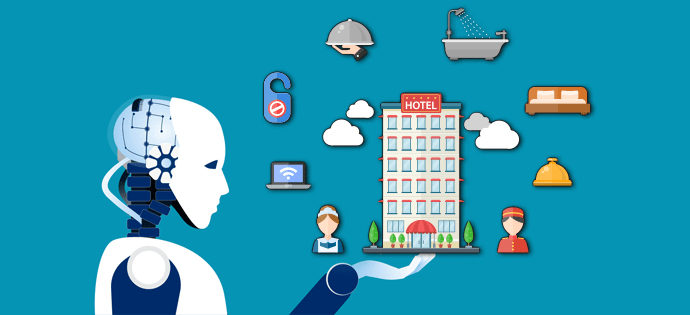
Introduction: The Promise and Perils of Generative AI in Hospitality
Generative AI solutions offer immense potential for revolutionizing the hospitality industry, empowering hotels to deliver unparalleled guest experiences, optimize operations, and drive business growth. However, the implementation of AI-driven technologies also presents a unique set of challenges that must be navigated effectively to ensure success. From data security and privacy concerns to ethical considerations and technical limitations, hospitality professionals must address a range of obstacles to harness the full potential of generative AI solutions. In this article, we explore the challenges facing generative AI solution for hospitality and discuss potential solutions to overcome them.
Challenge 1: Data Privacy and Security
One of the primary challenges facing generative AI solution for hospitality is ensuring data privacy and security. With the proliferation of sensitive guest information, including personal details, payment data, and booking histories, hotels must take proactive measures to protect guest privacy and comply with data protection regulations such as the General Data Protection Regulation (GDPR).
Solution: Encryption and Anonymization
To address data privacy and security concerns, hotels can implement encryption and anonymization techniques to protect sensitive guest information. By encrypting data both in transit and at rest, hotels can safeguard guest data from unauthorized access and ensure compliance with data protection regulations. Additionally, anonymization techniques can be used to remove personally identifiable information from datasets, further minimizing the risk of data breaches and protecting guest privacy.
Challenge 2: Ethical Considerations
As AI technologies become increasingly pervasive in hospitality, ethical considerations surrounding their use and impact on society are coming to the forefront. From algorithmic bias and discrimination to job displacement and privacy infringements, hotels must navigate ethical dilemmas associated with the deployment of generative AI solution for hospitality.
Solution: Ethical AI Frameworks and Governance
To address ethical considerations, hotels can establish ethical AI frameworks and governance structures that prioritize transparency, fairness, and accountability. By adhering to ethical principles such as fairness, transparency, and accountability, hotels can ensure that AI technologies are deployed responsibly and ethically, benefiting guests, employees, and society as a whole. Additionally, hotels can implement bias detection and mitigation techniques to identify and address algorithmic biases in AI systems, ensuring fair and equitable outcomes for all stakeholders.
Challenge 3: Technical Limitations
Despite the potential benefits of generative AI solution for hospitality, hotels may encounter technical limitations that hinder their implementation and effectiveness. From data quality issues and interoperability challenges to scalability concerns and algorithmic complexity, navigating technical obstacles can pose significant barriers to the successful deployment of AI-driven technologies.
Solution: Collaboration and Partnerships
To overcome technical limitations, hotels can collaborate with technology partners and industry experts to leverage their expertise and resources. By partnering with AI vendors and solution providers, hotels can access cutting-edge technologies, overcome technical barriers, and accelerate the deployment of AI-driven solutions. Additionally, hotels can invest in staff training and development to build internal expertise in AI technologies, enabling them to effectively manage and optimize AI systems for maximum impact.
Challenge 4: Integration with Existing Systems
Integrating generative AI solutions with existing hotel systems and processes can be a complex and challenging task. From legacy systems and disparate data sources to compatibility issues and integration complexities, hotels may face obstacles when integrating AI-driven technologies into their existing infrastructure.
Solution: Open APIs and Interoperability
To facilitate integration with existing systems, hotels can adopt open Application Programming Interfaces (APIs) and interoperable platforms that enable seamless data exchange and interoperability between AI solutions and existing hotel systems. By leveraging open APIs and standardized protocols, hotels can streamline the integration process, minimize compatibility issues, and ensure interoperability between AI-driven technologies and legacy systems. Additionally, hotels can work with technology partners and solution providers to develop custom integration solutions tailored to their specific needs and requirements.
Challenge 5: Change Management and Cultural Shift
Implementing generative AI solutions requires a cultural shift and change management processes to ensure successful adoption and acceptance among employees. From resistance to change and fear of job displacement to lack of understanding and technical skills, hotels may encounter challenges when introducing AI-driven technologies to their workforce.
Solution: Training and Education
To address change management and cultural shift challenges, hotels can invest in employee training and education programs to build awareness, understanding, and proficiency in AI technologies. By providing comprehensive training and ongoing support, hotels can empower employees to embrace AI-driven technologies, adapt to new workflows, and maximize the benefits of generative AI solutions. Additionally, hotels can foster a culture of innovation and continuous learning, encouraging employees to explore new technologies, experiment with AI-driven tools, and contribute to the success of AI initiatives.
Conclusion: Overcoming Challenges to Unlock the Potential of Generative AI in Hospitality
In conclusion, generative AI solutions hold immense promise for transforming the hospitality industry, enabling hotels to deliver personalized guest experiences, optimize operations, and drive business growth. However, the successful implementation of AI-driven technologies requires addressing a range of challenges, including data privacy and security concerns, ethical considerations, technical limitations, integration complexities, and change management issues. By adopting proactive measures and implementing effective solutions, hotels can navigate these challenges and unlock the full potential of generative AI in hospitality. With the right strategies and investments, hotels can harness the transformative power of AI-driven technologies to revolutionize the guest experience, drive operational excellence, and shape the future of hospitality for years to come.

