The manufacturing industry is on the cusp of a revolution, driven by the rapid advancements in Generative AI (Gen AI) solutions. As the demand for efficiency, innovation, and customization grows, Gen AI is set to become an integral part of manufacturing processes. This article delves into the future of Gen AI solutions for manufacturing, exploring how these technologies will transform production, design, supply chain management, and overall industry dynamics.
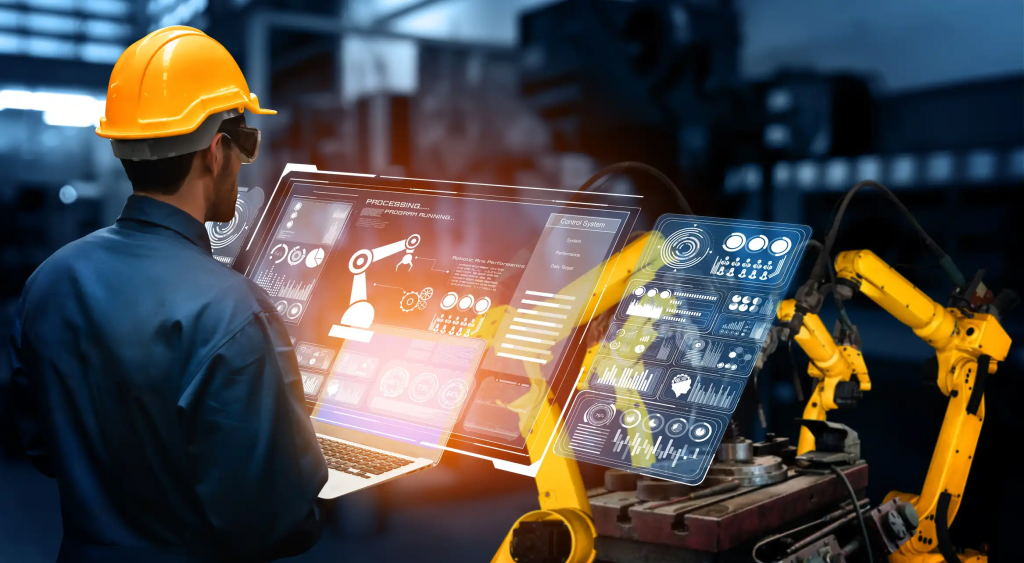
Introduction: The Evolution of Manufacturing with Generative AI
Manufacturing has always been a field defined by innovation and progress. From the Industrial Revolution to the advent of automation, each era has brought transformative changes. Today, we stand at the threshold of another significant shift, powered by Generative AI. Gen AI solutions promise to redefine how products are designed, produced, and delivered, bringing unprecedented levels of efficiency, precision, and customization to the manufacturing process.
The Role of Gen AI in Modern Manufacturing
Generative AI is a subset of artificial intelligence that uses algorithms to generate new data, designs, and solutions based on existing data sets. In manufacturing, Generative AI solution for manufacturing is applied across various domains, including product design, predictive maintenance, quality control, and supply chain optimization. As manufacturers seek to stay competitive in an increasingly digital world, the adoption of Gen AI is not just an option—it’s a necessity.
The Impact of Gen AI on Product Design and Innovation
1. Accelerating Product Development Cycles
Future Vision: One of the most significant impacts of Generative AI solution for manufacturing will be the acceleration of product development cycles. Traditional product design processes often involve lengthy iterations, prototyping, and testing. Gen AI, however, can generate multiple design options in a fraction of the time, allowing manufacturers to bring products to market faster.
How It Works:
- AI-Driven Design: Gen AI tools can analyze existing product designs and generate optimized versions, considering factors like material usage, durability, and manufacturability.
- Simulation and Testing: AI can simulate real-world conditions to test designs virtually, reducing the need for physical prototypes and accelerating the testing phase.
Benefits:
- Faster Time-to-Market: Companies can reduce product development time by months, gaining a competitive edge.
- Cost Efficiency: Fewer physical prototypes and shorter development cycles lead to significant cost savings.
2. Enabling Mass Customization
Future Vision: As consumer demand for personalized products grows, Generative AI solution for manufacturing will enable manufacturers to offer mass customization without compromising efficiency. AI-driven design tools will allow for the creation of customized products at scale, meeting individual consumer preferences while maintaining production speed.
How It Works:
- Personalized Design Algorithms: Gen AI can generate unique designs based on individual customer inputs, such as size, color, and functionality.
- Automated Production: AI-driven production lines can automatically adjust to produce customized products without manual intervention.
Benefits:
- Enhanced Customer Satisfaction: Personalized products lead to higher customer satisfaction and brand loyalty.
- Increased Market Share: Manufacturers offering customization at scale will capture a larger market share.
The Role of Gen AI in Optimizing Manufacturing Processes
Smart Factories: The Future of Production
Future Vision: The concept of smart factories—fully automated production environments driven by AI—is set to become a reality. In these factories, Gen AI will control every aspect of production, from machine operations to supply chain management, ensuring optimal efficiency and output.
How It Works:
- Real-Time Monitoring and Control: Gen AI systems can monitor production in real-time, making instant adjustments to improve efficiency.
- Predictive Maintenance: AI can predict equipment failures before they occur, scheduling maintenance during non-peak hours to avoid disruptions.
Benefits:
- Maximized Efficiency: Smart factories operate at peak efficiency, with minimal downtime and waste.
- Scalability: AI-driven factories can easily scale production up or down based on demand.
Enhancing Quality Control with AI
Future Vision: Quality control is a critical aspect of manufacturing, and Gen AI will take it to new heights. AI-driven quality control systems will be able to detect even the smallest defects in real-time, ensuring that only the highest-quality products reach consumers.
How It Works:
- AI-Powered Inspection: AI systems equipped with computer vision can inspect products at various stages of production, identifying defects with greater accuracy than human inspectors.
- Automated Correction: Upon detecting a defect, the AI system can automatically adjust the production process to correct the issue.
Benefits:
- Improved Product Quality: Consistent, high-quality output leads to better consumer trust and satisfaction.
- Reduced Waste: Early detection of defects minimizes waste, as fewer defective products make it through the production process.
The Future of Supply Chain Management with Gen AI
AI-Driven Supply Chain Optimization
Future Vision: The future of supply chain management lies in AI-driven optimization. Gen AI will enable manufacturers to manage their supply chains with unprecedented precision, predicting demand, optimizing inventory, and reducing lead times.
How It Works:
- Predictive Analytics: Gen AI can analyze historical data to forecast demand, allowing manufacturers to adjust production and inventory levels accordingly.
- Dynamic Routing: AI-driven logistics systems can dynamically route shipments based on real-time traffic, weather, and demand data.
Benefits:
- Cost Reduction: Optimized supply chains reduce inventory holding costs, transportation costs, and lead times.
- Increased Flexibility: Manufacturers can respond quickly to market changes, adjusting their supply chains in real-time.
Ensuring Sustainability and Energy Efficiency
Future Vision: As sustainability becomes a priority, Gen AI will play a crucial role in helping manufacturers reduce their environmental impact. AI-driven solutions will optimize energy usage, minimize waste, and help companies achieve their sustainability goals.
How It Works:
- Energy Management: Gen AI systems can monitor and optimize energy usage across the production process, identifying areas for improvement.
- Sustainable Material Sourcing: AI can help manufacturers source materials sustainably, analyzing environmental impact and cost to find the best options.
Benefits:
- Reduced Carbon Footprint: Optimized energy usage and sustainable sourcing reduce the overall environmental impact of manufacturing.
- Cost Savings: Energy-efficient processes translate to lower operational costs.
The Role of Gen AI in Workforce Transformation
Augmenting Human Capabilities with AI
Future Vision: Rather than replacing human workers, Gen AI will augment human capabilities, enabling workers to focus on more strategic and creative tasks. AI-driven automation will handle repetitive, low-skill tasks, freeing up human workers to contribute in more meaningful ways.
How It Works:
- Collaborative Robots (Cobots): AI-driven robots will work alongside human workers, handling tasks like assembly, material handling, and inspection.
- AI-Enhanced Decision Making: Workers will have access to AI-driven insights and recommendations, enabling them to make better-informed decisions.
Benefits:
- Increased Productivity: Human workers, augmented by AI, will be more productive and efficient.
- Job Satisfaction: By taking over mundane tasks, AI allows workers to focus on more fulfilling and creative work.
Addressing the Skills Gap with AI
Future Vision: The adoption of Gen AI in manufacturing will require a workforce with new skills in AI, data analytics, and digital technologies. To address this skills gap, manufacturers will need to invest in training and education, preparing their workforce for the AI-driven future.
How It Works:
- AI-Powered Training Programs: AI-driven training programs can provide personalized learning experiences, helping workers acquire the skills they need to succeed in an AI-driven environment.
- Continuous Learning: AI can identify skill gaps in real-time and recommend training to address them, ensuring that workers stay up-to-date with the latest technologies.
Benefits:
- Prepared Workforce: A well-trained workforce is essential for the successful implementation of Gen AI solutions.
- Increased Competitiveness: Companies with skilled workers will be better positioned to compete in the AI-driven manufacturing landscape.
Challenges and Considerations in Adopting Gen AI in Manufacturing
Data Privacy and Security
Future Vision: As Gen AI relies on vast amounts of data, ensuring the privacy and security of this data will be a top priority for manufacturers. Companies will need to implement robust data protection measures to safeguard sensitive information.
How It Works:
- Data Encryption: AI-driven systems will use advanced encryption techniques to protect data from unauthorized access.
- Access Control: Manufacturers will implement strict access controls, ensuring that only authorized personnel can access sensitive data.
Benefits:
- Enhanced Security: Strong data protection measures reduce the risk of data breaches and cyberattacks.
- Compliance: Adhering to data privacy regulations ensures that manufacturers remain compliant with legal requirements.
Managing the Cost of AI Implementation
Future Vision: While the benefits of Gen AI are clear, the cost of implementation can be a significant barrier for some manufacturers. Companies will need to carefully manage the costs associated with AI adoption, balancing the upfront investment with the long-term benefits.
How It Works:
- Cost-Benefit Analysis: Manufacturers will conduct thorough cost-benefit analyses to determine the ROI of AI implementation.
- Scalable Solutions: AI vendors will offer scalable solutions, allowing manufacturers to start small and expand their AI capabilities over time.
Benefits:
- Strategic Investment: Careful management of AI implementation costs ensures that manufacturers can achieve the benefits of AI without overextending their budgets.
- Long-Term Savings: While the initial investment may be high, the long-term cost savings from AI-driven efficiency and productivity gains will offset the upfront costs.
Conclusion: Embracing the Future with Gen AI Solutions
The future of manufacturing is inextricably linked to the adoption of Generative AI solutions. As these technologies continue to evolve, they will bring about profound changes in how products are designed, produced, and delivered. From accelerating product development to optimizing supply chains and enhancing workforce capabilities, Gen AI is set to revolutionize the manufacturing industry.
However, this transformation will not come without challenges. Manufacturers will need to address issues related to data privacy, security, and the cost of AI implementation. They will also need to invest in workforce training to ensure that their employees are prepared for the AI-driven future.
Despite these challenges, the potential benefits of Gen AI in manufacturing are too significant to ignore. Companies that embrace these technologies will be well-positioned to lead the industry into a new era of innovation, efficiency, and sustainability.
As we look to the future, it’s clear that Gen AI will be a driving force in shaping the manufacturing landscape. By understanding and preparing for this future, manufacturers can ensure that they remain competitive and continue to thrive in an increasingly digital world. The time to act is now—those who hesitate may find themselves left behind in the AI-driven manufacturing revolution.

